
Apple and Walnut Salad
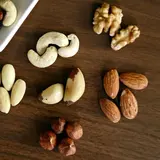
There's something wonderfully straightforward about this Apple and Walnut Salad from the post-war era: just two main ingredients combined in equal measure, bound with dressing, and served on a bed of lettuce. The recipe calls for skinned walnuts and diced apples, with the practical note that “other nuts could be used instead of walnuts, if that will help matters,” a reminder of the ingredient scarcity that still lingered throughout 1940s Britain.
When the recipe’s author, Ambrose Heath, refers to “skinned” walnuts, he means removing the thin, papery, slightly bitter skin that clings to the walnut meat after you've cracked the shell. This skin can have an astringent quality that some find unpleasant. To remove it, you can blanch the walnuts briefly in boiling water for about a minute, then rub them in a clean kitchen towel. The skins will slip right off. The result is a milder, sweeter nut that won't overpower the delicate apple flavor or add any bitterness to your salad.
Since Heath leaves the choice of dressing open to interpretation, we’ve thought of a few complementary options. A classic vinaigrette made with apple cider vinegar, olive oil, a touch of Dijon mustard, and honey would echo the apple's sweetness while adding brightness, or a light mayonnaise-based dressing thinned with lemon juice or buttermilk would create a creamier version, reminiscent of a Waldorf salad. And finally, a honey-lemon dressing with a hint of poppy seeds would keep things light and prevent the apples from browning while adding visual appeal.
Ambrose Heath was the pen name of Francis Geoffrey Miller (1891-1969), one of Britain's most prolific food writers of the mid-twentieth century. He wrote over 70 culinary books during his career, many of them practical guides designed to help home cooks navigate the challenges of their times—from wartime rationing to the austere years that followed.
This particular recipe comes from his 1948 book Good Salads and Salad Dressings, published just three years after the end of World War II, when rationing in Britain was actually at its most severe. Heath's books from this period are characterized by their resourcefulness and flexibility (hence that pragmatic line about substituting other nuts). He understood that his readers were working with whatever they could obtain, and his recipes reflect both ingenuity and a determination to make meals interesting despite limitations.
Heath's writing style is unpretentious and encouraging, making him a trusted voice in British kitchens for decades. While many of his books are now out of print, they remain valuable glimpses into the culinary life of mid-century Britain, showing how cooks maintained standards and creativity even during difficult times.
- 1 cup diced apple
- 1 cup chopped walnuts
- 5 cups lettuce leaves
- 1/2 cup dressing of choice
Mix together half and half quantities of skinned walnuts and diced peeled and cored apples. Bind with salad dressing, and serve on lettuce. Other nuts could be used instead of walnuts, if that will help matters.