
Oysters with Cheese
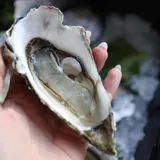
There are some dishes that feel like stepping into another era, and this baked oyster recipe is certainly one of them. Imagine plump oysters nestled in a buttery dish, bathed in their own briny liquor and a splash of sherry, then finished with a crown of melted, bubbling cheese. It’s simple, and just a little bit retro, exactly the sort of appetizer that turns an ordinary evening into something more interesting.
Oysters have been part of the human diet for thousands of years. Archaeologists have found oyster shells in ancient Roman ruins, Native American middens, and medieval European coastal settlements. Once considered an everyday food of the working class (especially in 19th-century America), oysters gradually became a delicacy as wild populations declined and harvesting grew more regulated. Their unique flavor, often described as briny and slightly sweet, has made them beloved in cuisines around the world, from raw bars in New Orleans to creamy stews in France.
Cooking oysters, rather than serving them raw, has its own long tradition. Victorian and early-20th-century cookbooks are filled with recipes for oyster pies, scalloped oysters, and oysters baked with breadcrumbs or cream. The recipe below fits squarely into that lineage: straightforward and designed to impress without too much fuss.
It comes from a delightful mid-century cookbook titled The Cook is in the Parlor, published in 1948 and written by Marguerite Gilbert McCarthy. The book reflects a charming post-war domestic culture in which entertaining at home was both an art and a form of recreation. This particular recipe appears in a section called “The Husband Cooks,” intended to encourage the reader’s husband to roll up his sleeves and prepare something special—especially when hosting his own friends. One can almost picture a group of men gathered around the kitchen, cigars in hand, proudly presenting this cheesy oyster creation as proof of their culinary prowess.
The instructions are wonderfully direct. Four steps, and that’s it, no complicated techniques or exotic ingredients. The natural richness of the oysters does most of the work, while the sherry adds warmth and depth. Watercress brings a peppery freshness, and the melted cheese ties everything together in golden, bubbling harmony. Served with crusty bread or simple crackers, it makes a marvelous starter or late-night indulgence. It's not clear if the oysters should remain in their shell during baking and serving, but the buttering of the baking dish suggests that the oysters are being baked directly in the dish without their shell. The instructions would suggest a sort of baked dip intended for small toasts.
More than seventy years after it was first printed, this recipe still captures the spirit of confident, uncomplicated home cooking. Whether prepared by a husband in 1948, or by anyone craving a taste of vintage elegance today, Oysters with Cheese remains a reminder that good food doesn’t need to be fussy, just delicious.
- 1 tbsp. butter
- 12 oysters
- 3 tbsp. cooking sherry
- Watercress, for sprinkling
- Pepper, for sprinkling
- Paprika, for sprinkling
- 1 cup cheese, like Cheddar or Gruyère
Butter liberally a glass pie dish. Cover with a layer of large oysters and their liquor, and add about 3 tablespoons of cooking sherry. Sprinkle with finely chopped water cress, pepper, and paprika. Spread well with grated cheese and brown in a hot oven (400℉) until the oysters wrinkle on edges.